 Skip to content


There is a phrase my mentor used to say to me: “Humility will serve us better.”
To be honest, back when I was working under his management, I struggled to adopt this mindset. My mind was often overwhelmed with noise: a rush of different technical ideas and complex solutions without a clear, grounding purpose.
It took time, reflection, and hard work to truly understand what he meant. I’m writing this today after mapping out and building a complex business workflow driven by user needs and references.
The final design took an experience that had been spread across 48 different screens and brought it down to 9. Now that it is solved, what my mentor used to say sounds obvious.
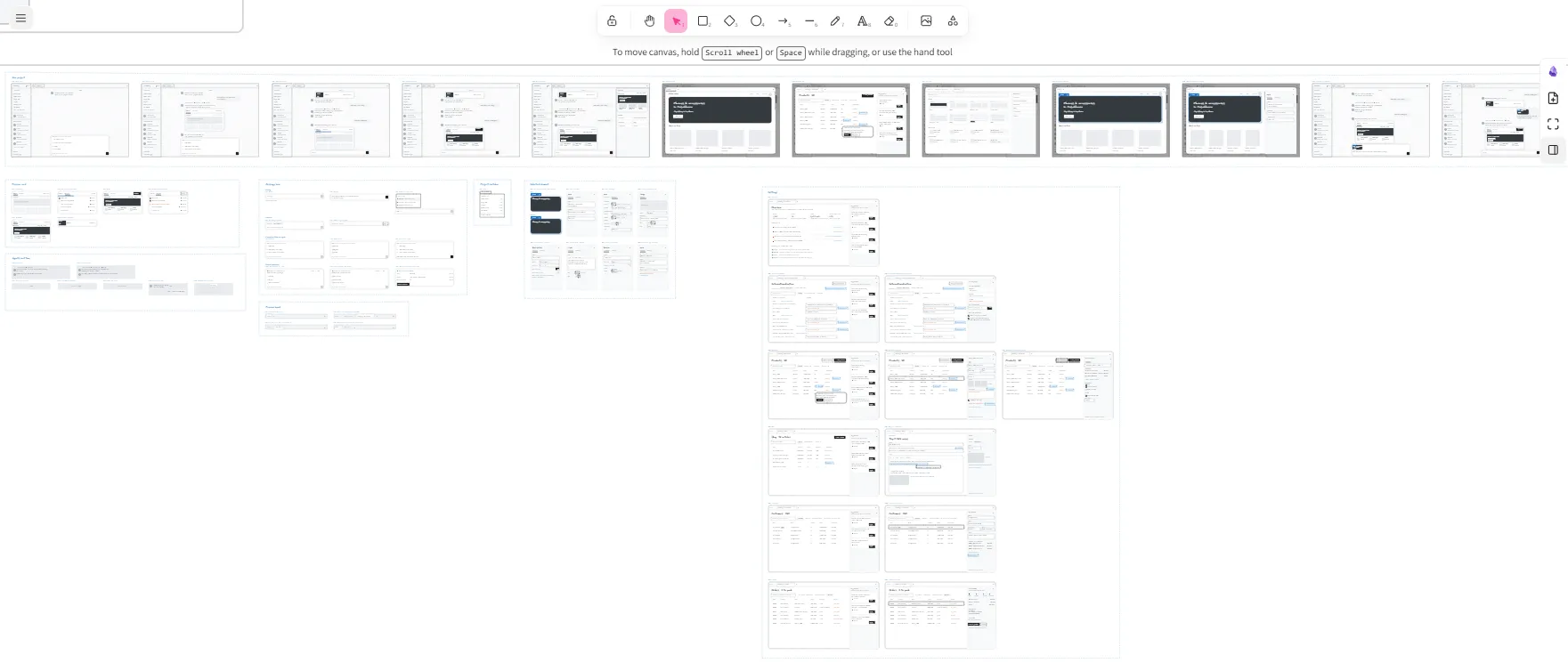
The invisibility of great design
At its core, good design is an experience that serves a purpose without imposing itself on the user. It delivers what is needed without overwhelming people with unnecessary details or technical complexity.
A well-designed system leaves the user with a positive feeling, yet the design itself is almost invisible.
Think of it like the door to a cozy coffee shop: you walk right through it, step inside, and enjoy the space. You never stop to thank the designer for the doorway, nor do you ponder how the hinges work. It just feels natural. That’s what successful software and product design looks like: it works so effortlessly that you don’t even notice the machinery behind it.
What humility teaches us
To build things that feel this natural, we have to set our egos aside. Humility in design and engineering comes down to a few key principles:
- Observation before experimentation: learning to observe and listen first, rather than rushing to write code or showcase every idea just because we can.
- Active listening: deeply understanding what familiarity looks like for users, then questioning it from first principles.
- Relentless simplification: having the discipline to strip away the noise, eliminating everything that might feel important to us as builders but only adds friction for the person using the system.
Looking back, I realize that the noise was just ego in disguise. Letting go of the urge to prove myself through complex solutions taught me that true mastery isn’t in making hard problems look complex, but in taking the heaviest workflow and making it feel effortless.